

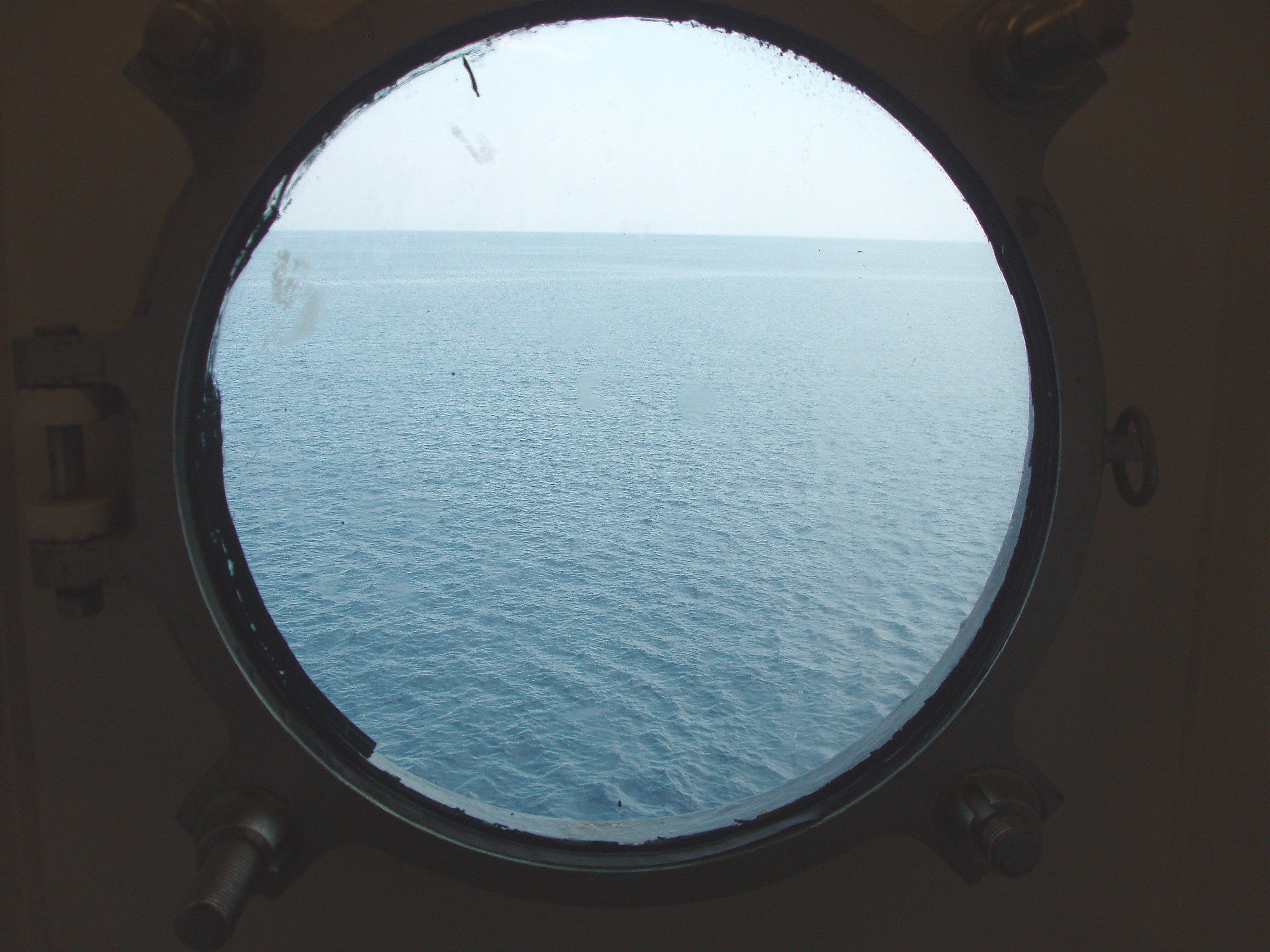
We woke late today, and by the time I looked out of the porthole the QE2 was already at anchor. Last night had been a late one, and given we had no tour organised for our call at Zakynthos, we decided to have a slower start to the day.
Today was a tender port, as Zakynthos did not have the facilities to handle a 293m (963ft) long ocean liner with a 9.8m (32ft) draft. Tendering is always a slower and far less convenient process for passengers, but I quite enjoy it.
The main reason is that it allows for such great views of the ship.
Today was my last chance to see QE2 at anchor. I had done so for the first time a decade earlier in 1998, off the coast of Cozumel. To capture the experience, I had made sure that both of our cameras were fully charged and ready for the day ahead.
We grabbed a bite to eat at the Lido, just as they were preparing to finish the breakfast service.
The Lido was technically open 24/7, but between the main meal times this was a reduced offering of tea, coffee, hot chocolate, water and juice (as well as cookies) that was served by humans (no DIY) to passengers, from a bar on the starboard side.
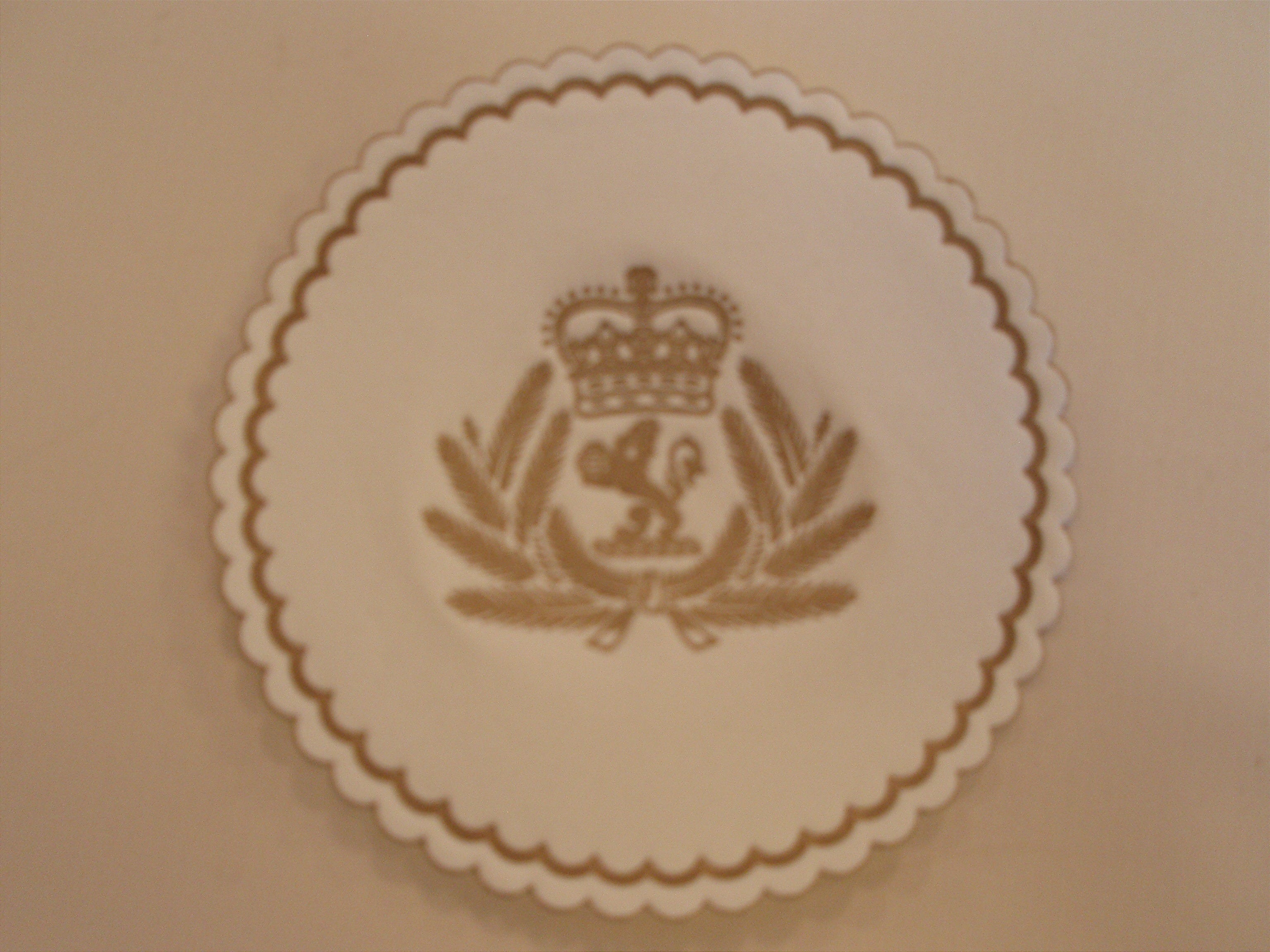
Each drink order was presented on a tray, with a little doily under each glass. Back when I first sailed on this ship, these had QE2 branding on them. But by 2008 they had been updated with generic Cunard logos.
If memory serves me, I think QM2 used to offer these early in her career too.
It might not be as environmentally friendly as today’s DIY drinks stations, but it had heart. And it was nice to have a human make the drink for you. Plus, if you needed help, they’d even carry the tray to your table.
Since 1994, the QE2 had carried six large tender boats, that also doubled as life boats.
Four of them were Class B motor launches. They had covered cabins both fore and aft, and a lovely little open area at the very stern. They were actually added to QE2 in 1975, and had a classic beauty of their own. From 1994 to 2008 they were numbered 8, 9, 10 and 11.
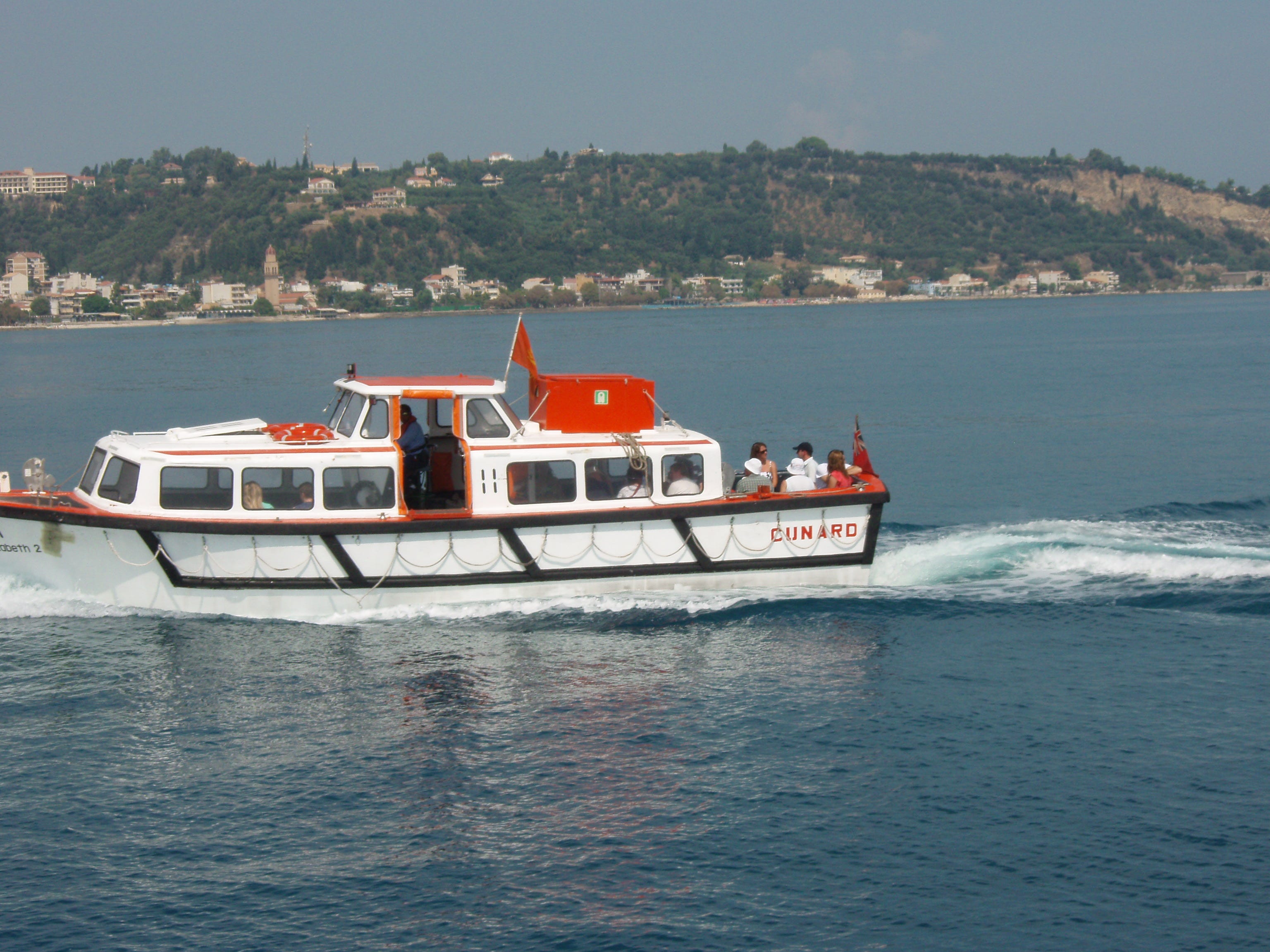
The other two tenders were Harding Tenders, added in 1994. Numbered 13 and 14, they look a lot more like the modern tender boats that you find on cruise ships today. They have an open air section on the top, but the main cabin is fully enclosed. In fact, looking at the photos now, I think these are a very similar design to those that QM2 carries today.
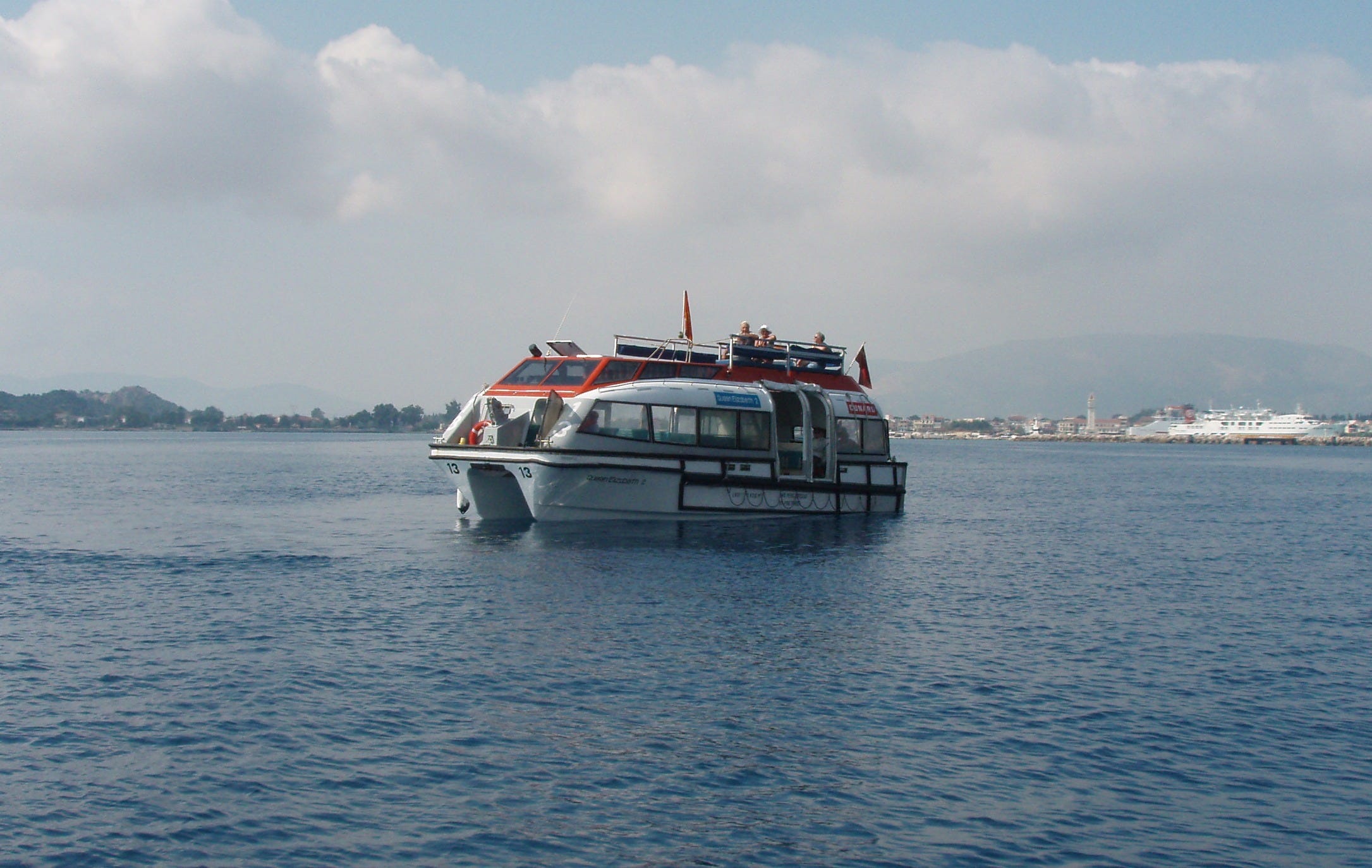
If you want to go down a QE2 lifeboat rabbit hole, I’d recommend this topic at the QE2 story forum.
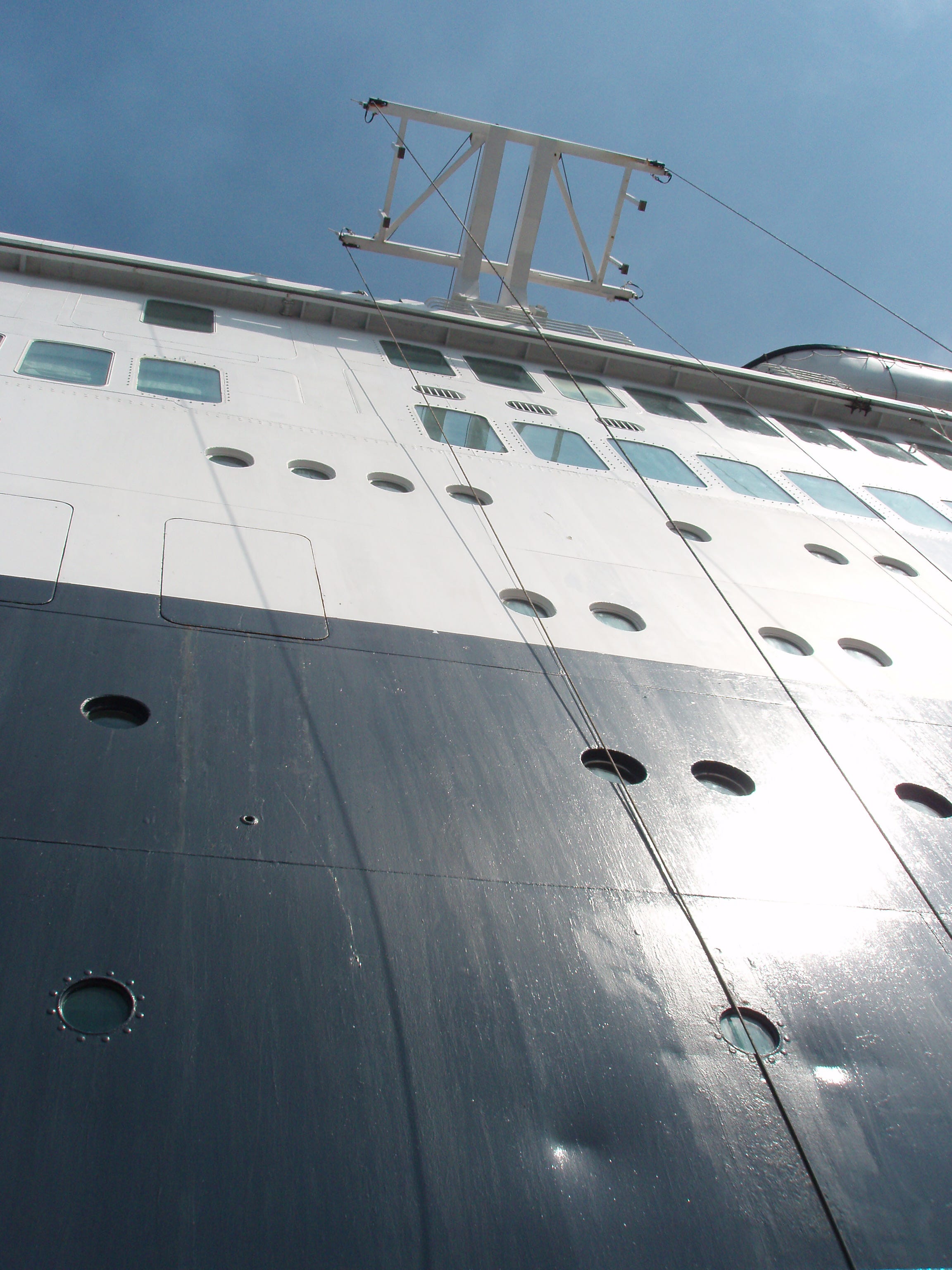
The ship also had two tender pontoons. Unlike modern ships, where the pontoon folds out of the side of the hull, QE2’s pontoons were carried on Boat Deck and lowered over the side.
This means that tender embarkation would take place from Five Deck, aft, and you’d need to be able to walk down a little stairway, outside of the ship.
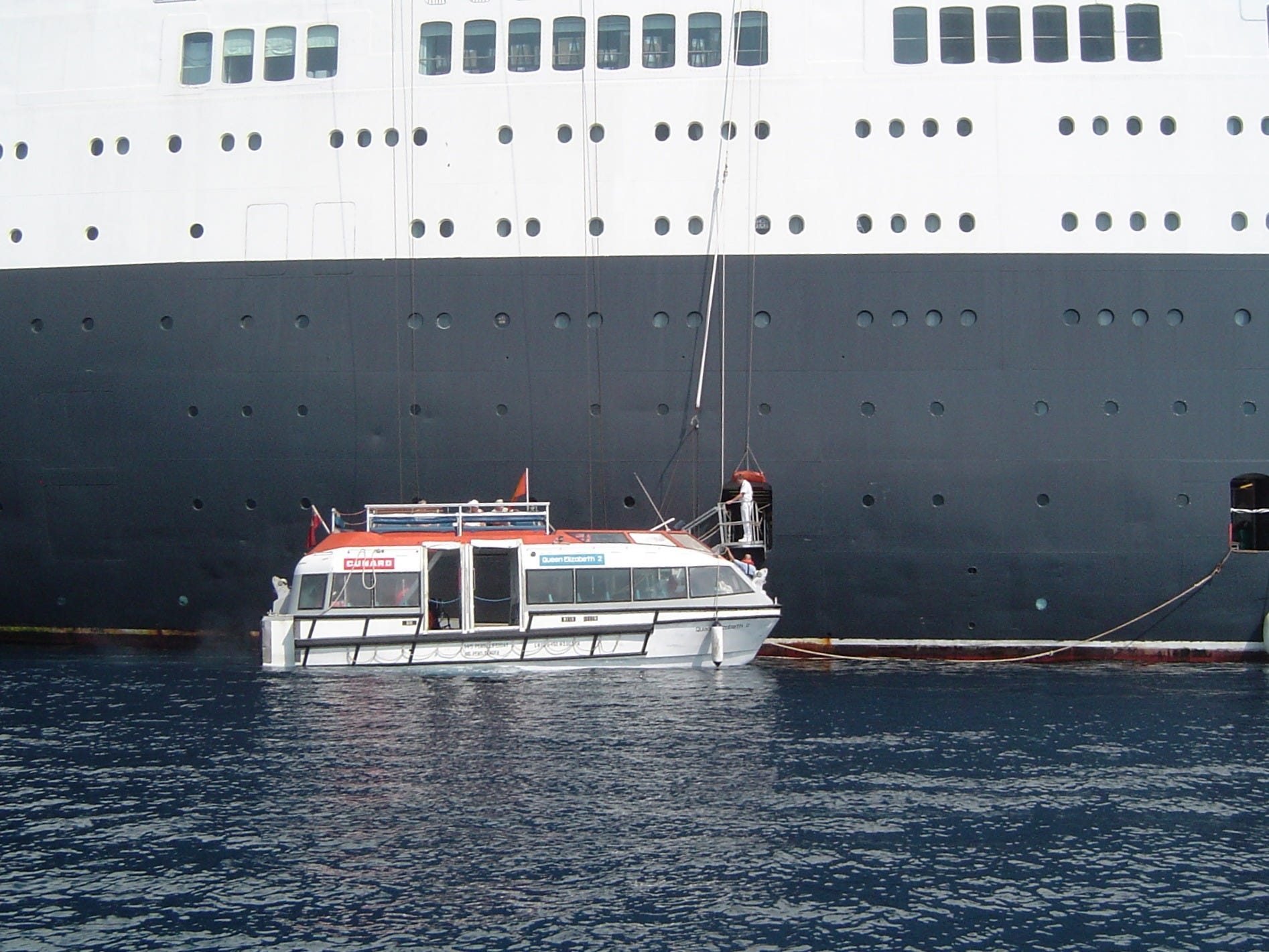
We waited until the general call for open-tendering was made, and headed down to Five Deck. To get to Zakynthos, we were allocated an older Class C motor launch, which was great because we could find ourselves a spot at the back to photograph QE2.
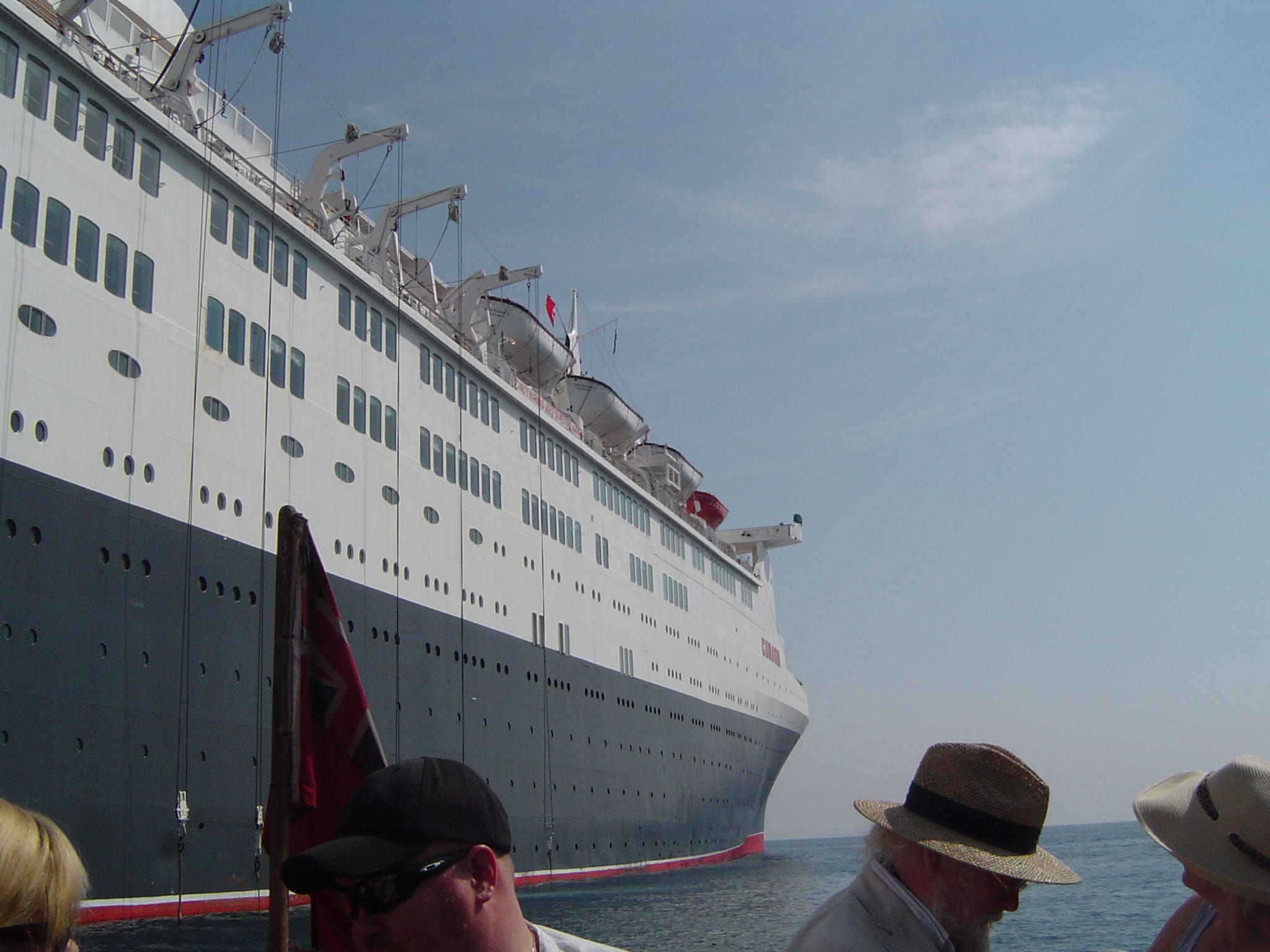
To me, there really was no more impressive nautical sight than looking at QE2 from the waterline. The ship’s lines were very impressive, and the detail of windows, clustered in groups, portholes and the various styles of lifeboats, meant that there was always something that caught my eye.
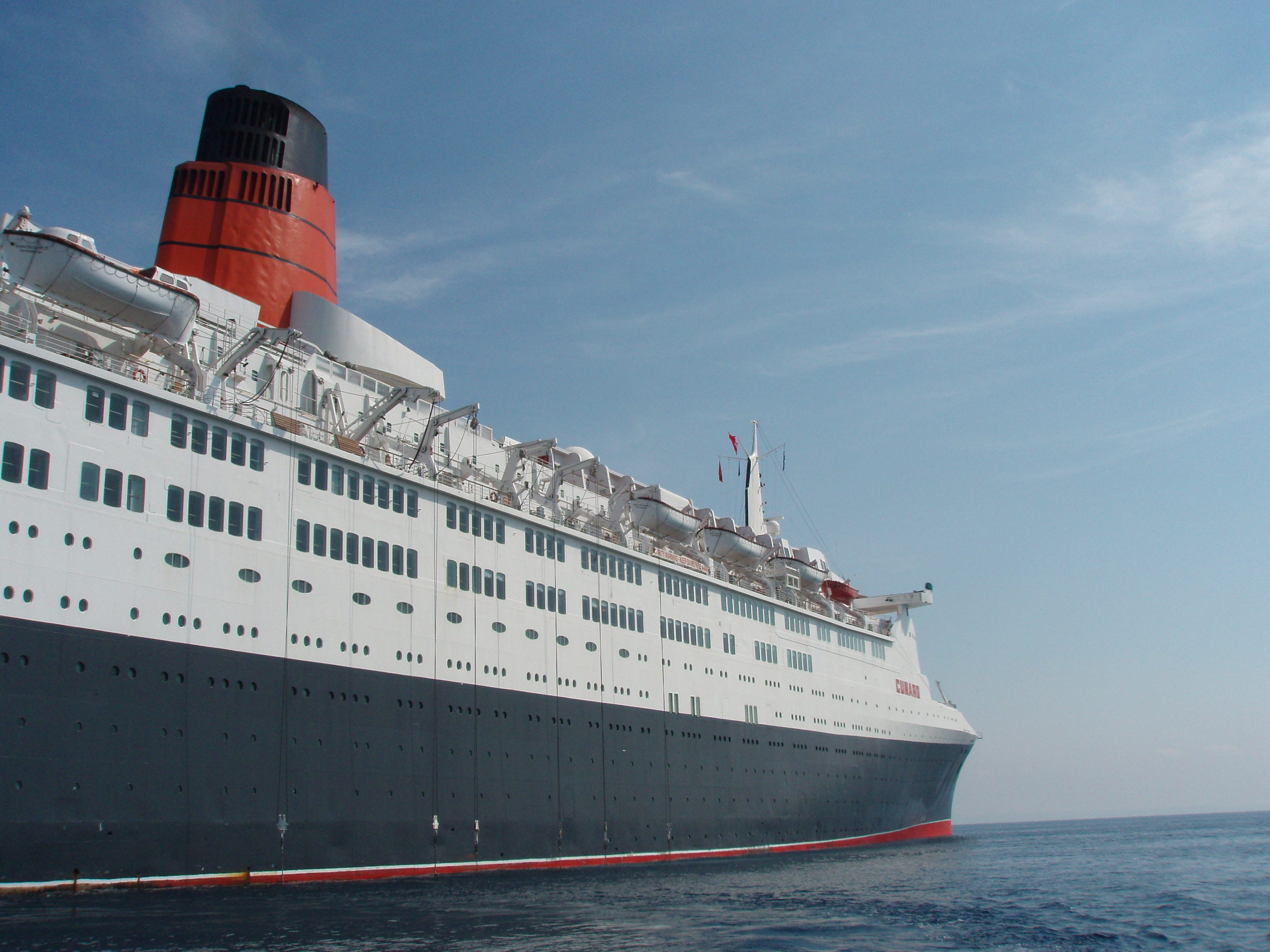
In the sunlight, you could also make out the wrinkles on the QE2’s funnel. Although the funnel had been rebuilt in 1987, it still contained panels that were warped by a fire in the 1970s.
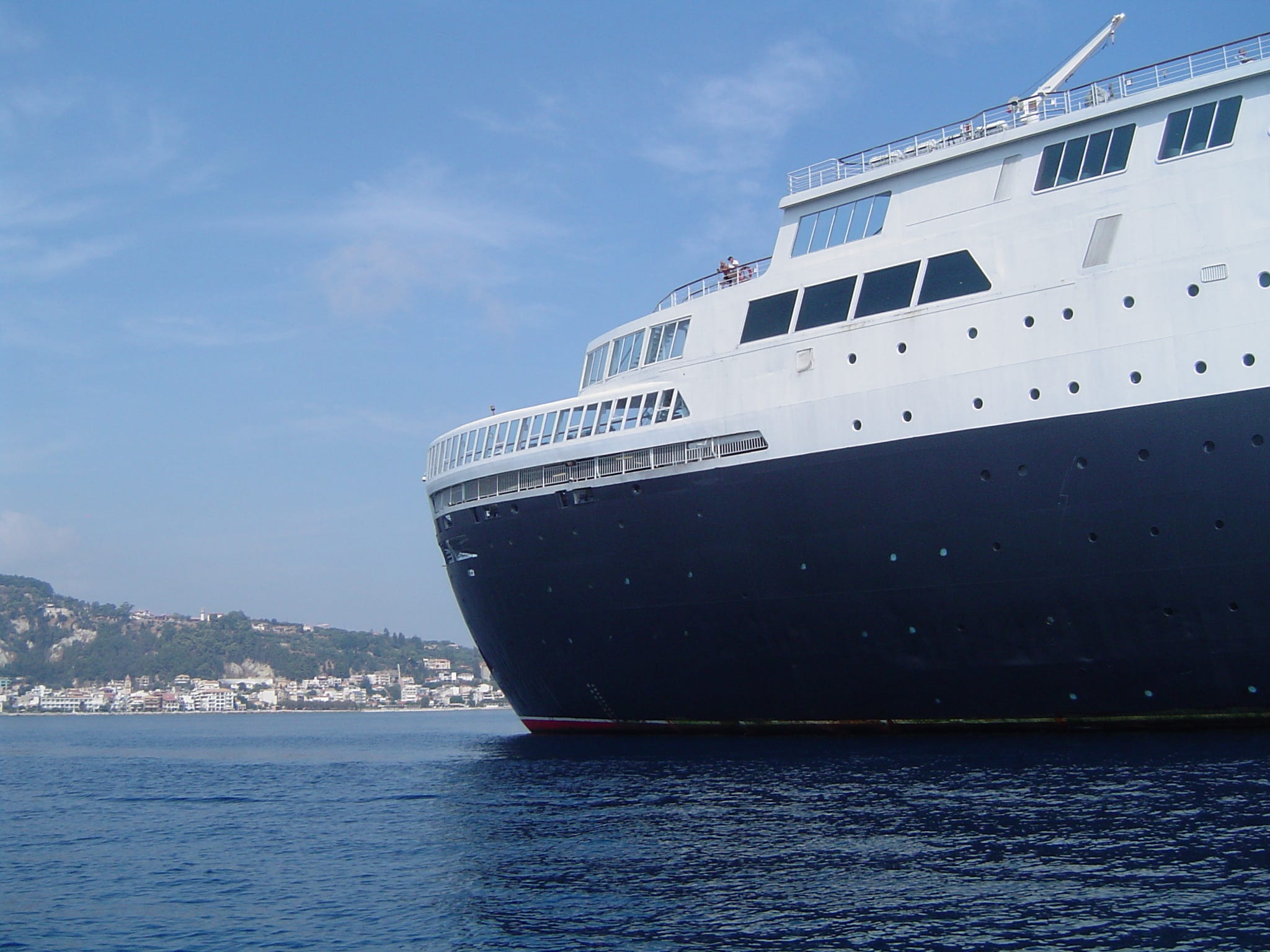
At the aft, we could see the terraced decks and the cruiser stern. The window awnings on One Deck were still in their 1969 design, while those on Quarter Deck and Upper Deck had been modified during various refits.
Under One Deck, the open crew area had been enclosed with metal bars. This was done later in the ship’s career, to reduce the risk of “uninvited embarkation” from pirates. Though with QE2 able to achieve 32.5 knots, it was done in an abundance of caution, but she was, after all, a prized target. So no chances were taken!
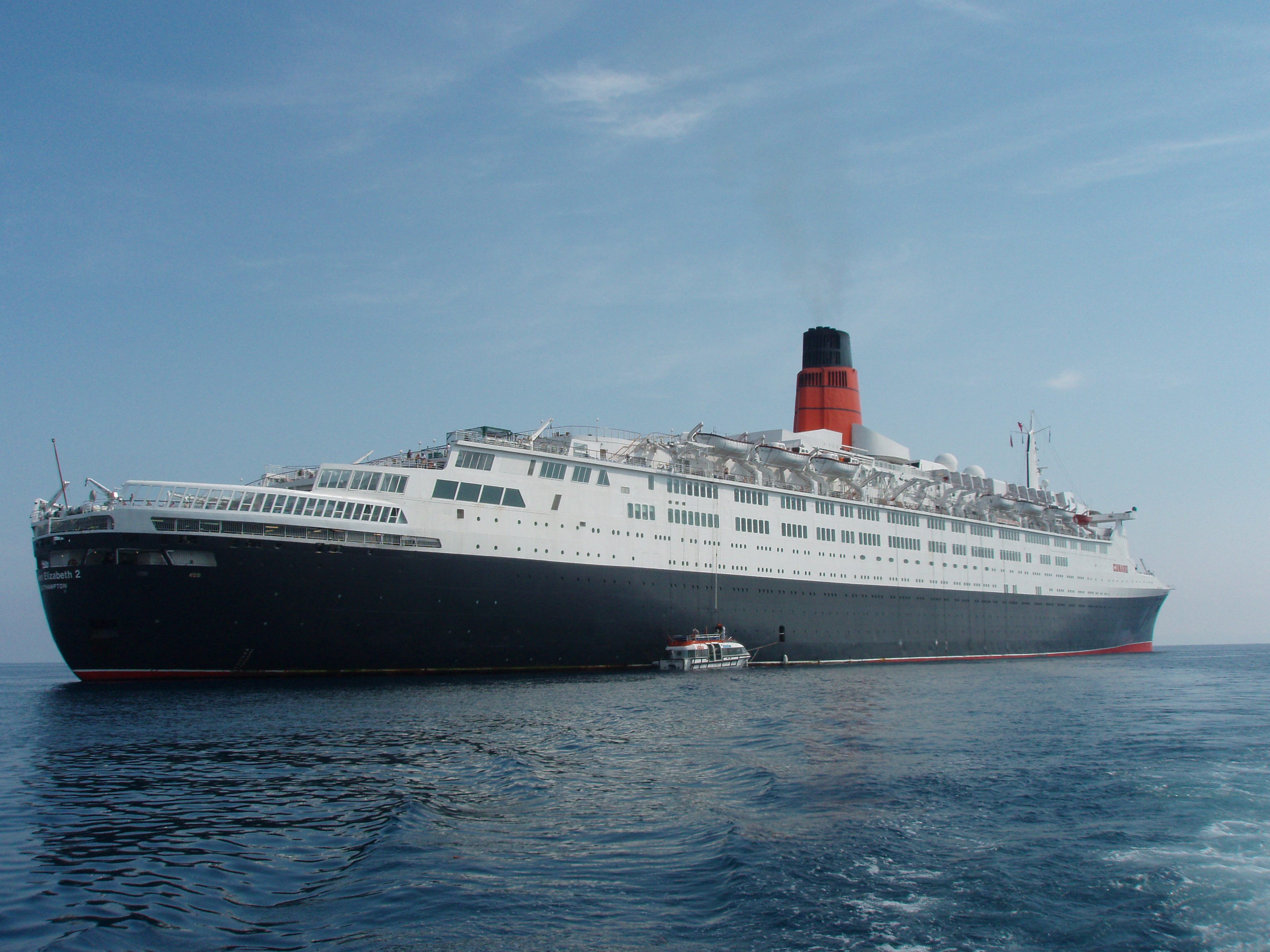
As the tender made its way towards land, we sat mesmerised by QE2. It struck me as odd that such a beautiful, capable and well loved ship would soon be retired while cruise lines around the world churned out boxier and boxier vessels.
When QE2 was re-engined in 1986/87, Cunard had promised that it would keep her sailing “well into the 21st Century.” To many, myself included at the time, 8 years fell a bit short of the mark.
I remember thinking, imagine if Tower Bridge, or the Empire State Building, or the Sydney Harbour Bridge were treated in such a fashion!
In the years since, I have revisited this position. In hindsight, I am kind of glad QE2 left service when she did. Sure, she was ageing, and elements of the experience were starting to date, but the crew ensured that QE2 remained at her very best, right up until the end.
In fact, looking back, I actually rate the service we received during our two cruises in 2008 above that which I experienced during trips I took in 2005 and 2006, despite the ship’s impending retirement.
And while QM2 and Queen Victoria were starting to introduce reductions in service as early as 2007, QE2’s crew held out to the bitter end.
But, I am not sure how much longer after 2008 they could have done this, with financial pressures from a changing cruise industry. A simple example is petit four, which is a small bite-sized confectionery, pastry or chocolate served after dessert, usually with an offer of tea or coffee.
On QE2, in 2008, even in the Mauretania Restaurant (linked to the lowest grade of accommodation aboard) petit four remained a grand affair.
Waiters would come to the table, with a massive tray. On it was a huge selection of treats, including hand made chocolate truffles, chocolate coated strawberries, after dinner mints, small pastries and even ginger. To this day, I blame QE2 for my After Eight obsession.
To achieve this level of after dinner excellence, the ship had to have a high crew to passenger ratio. There needed to be a budget for the creation of all the relatively expensive treats on that tray. And then multiply it by 1,800 diners. It all adds up.
Meanwhile, on my 2007 and 2009 QM2 cruises, petit four in the Britannia Restaurant had been reduced to a plate of small cake slices, placed on the table. The whole experience, the grandeur of it all, had been lost.
On the tender boat, and the closer we got to Zakynthos, the more of the ship we could see. The wind picked up, and the Red Ensign at the stern of the tender flapped wildly in the wind.
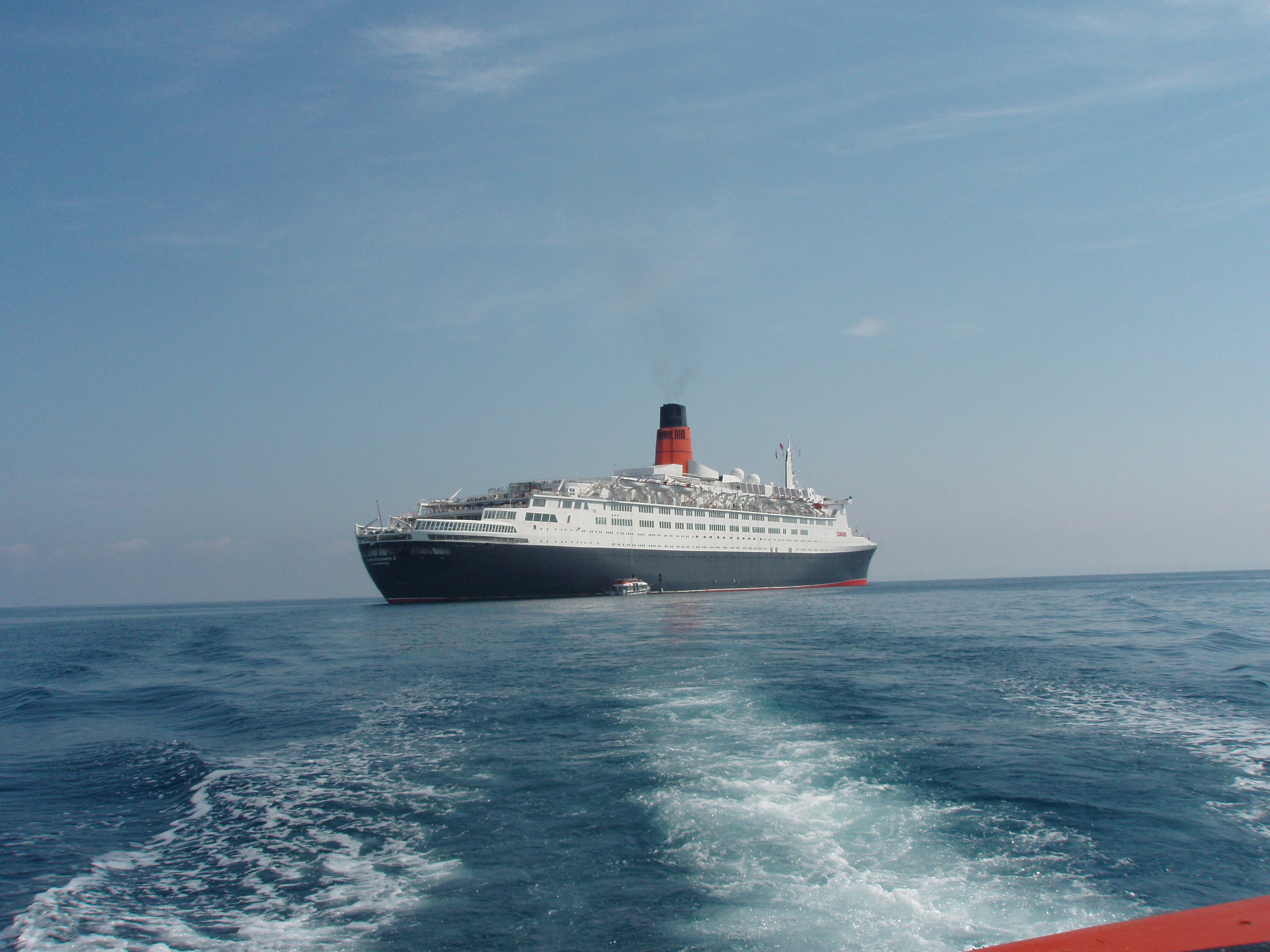
Today was a warm day. If memory serves me, probably around 28 degrees Celsius (82.4f), so rather like what I was used to in Australia. The tender docked, and we got out to have a walk around.
Rachelle and I had not really done any planning for this day visit. Neither of us had a smartphone in 2008 and my Nokia couldn’t roam in Europe. We’d bought some guidebooks at Angus and Robertson Bookworld back home before we left, but nothing for Zakynthos.
Turns out Zakynthos is known for its beaches, cliffs and turtle population. So we didn’t really need to do much, other than turn up and take in the views.
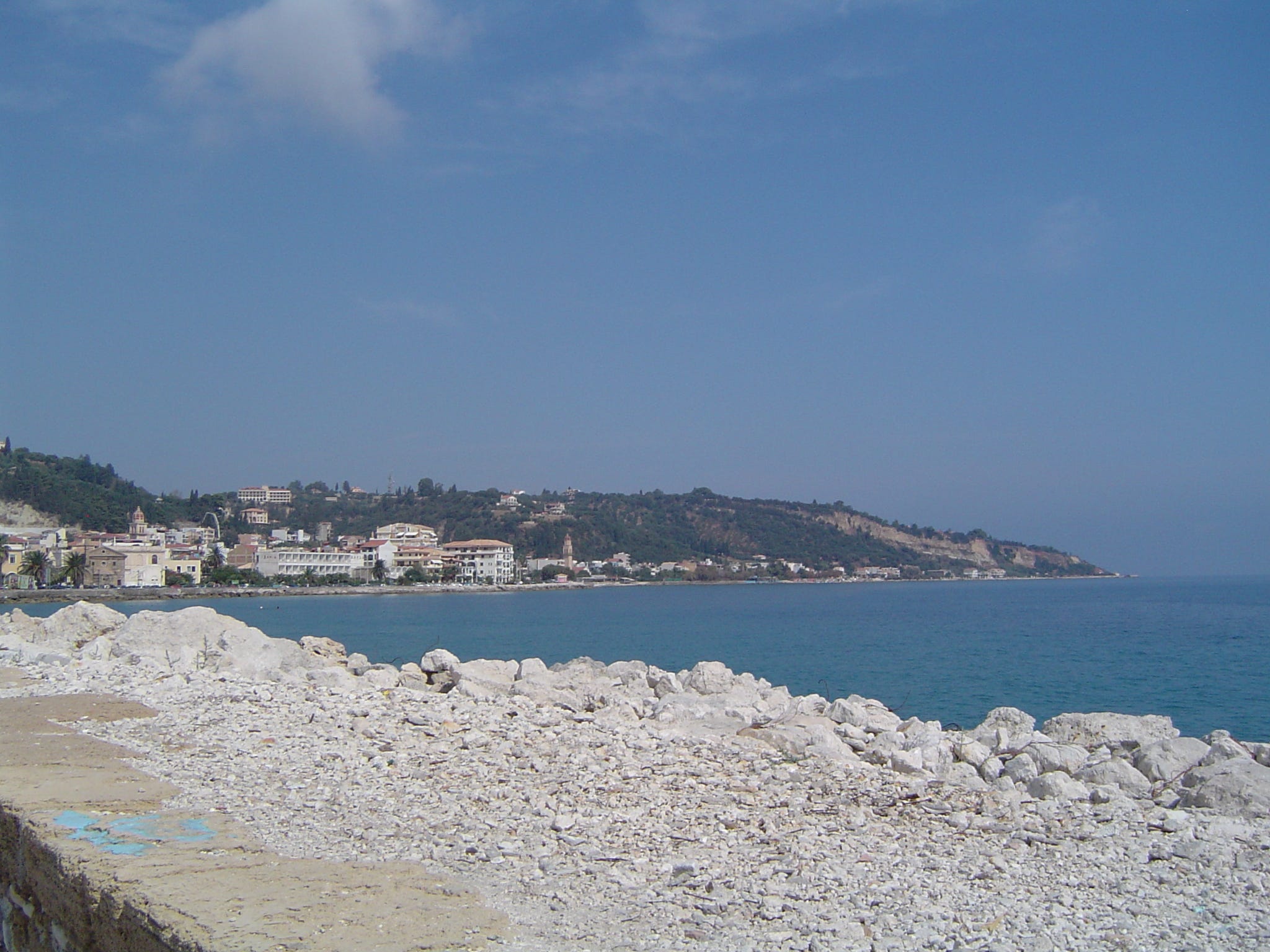
We are very spoilt in Australia for our beaches, so it takes a pretty spectacular beach to impress and according to my notes, this wasn’t in my top 10.
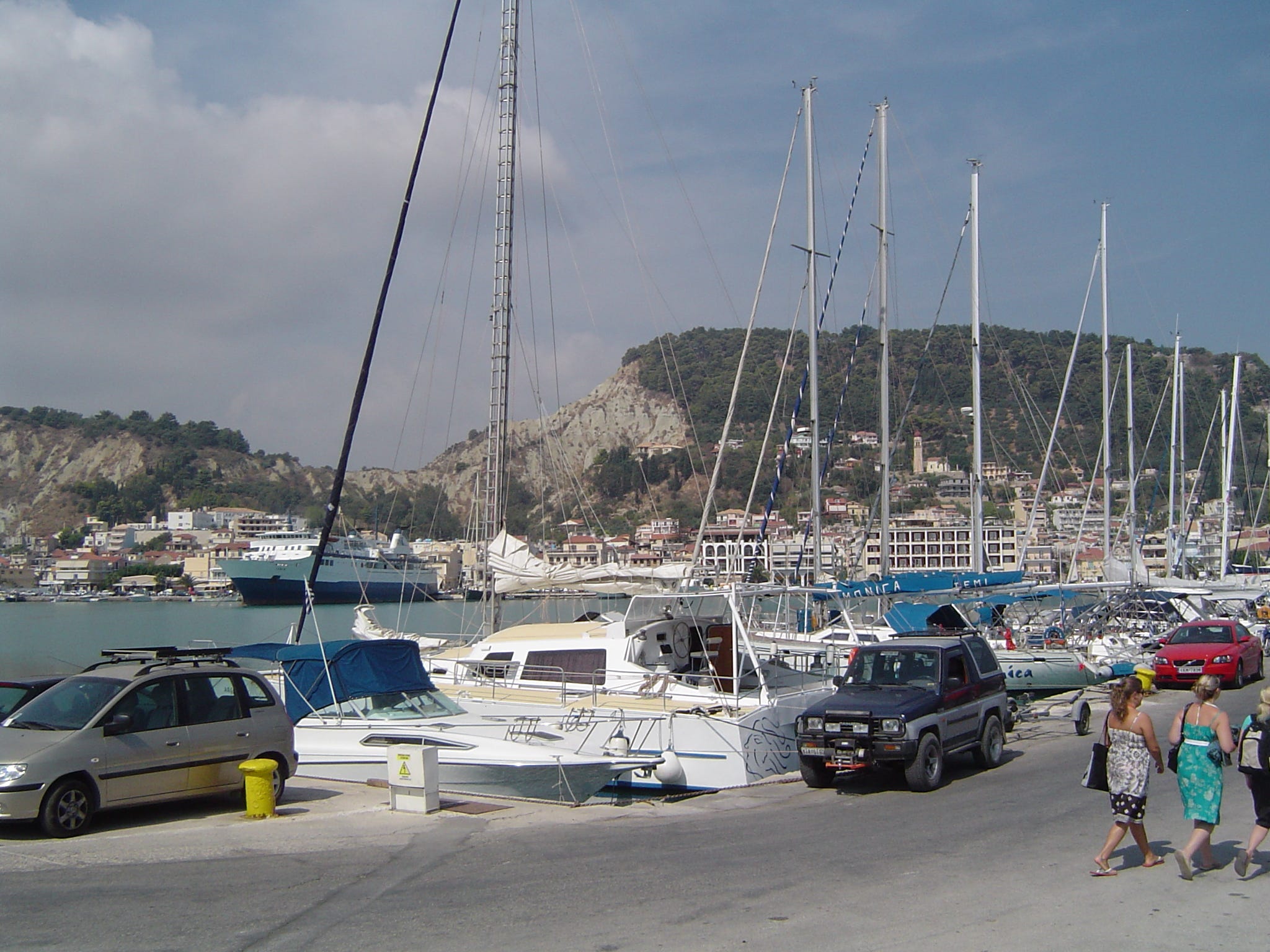
After a stop to buy post cards (I always sent my grandparents post cards when I travelled) and another stop for something to drink, we decided to return to QE2. In just one-weeks-time we’d be back in Southampton, and I knew I’d never get to sail on this ship again. So I was happy to head back.
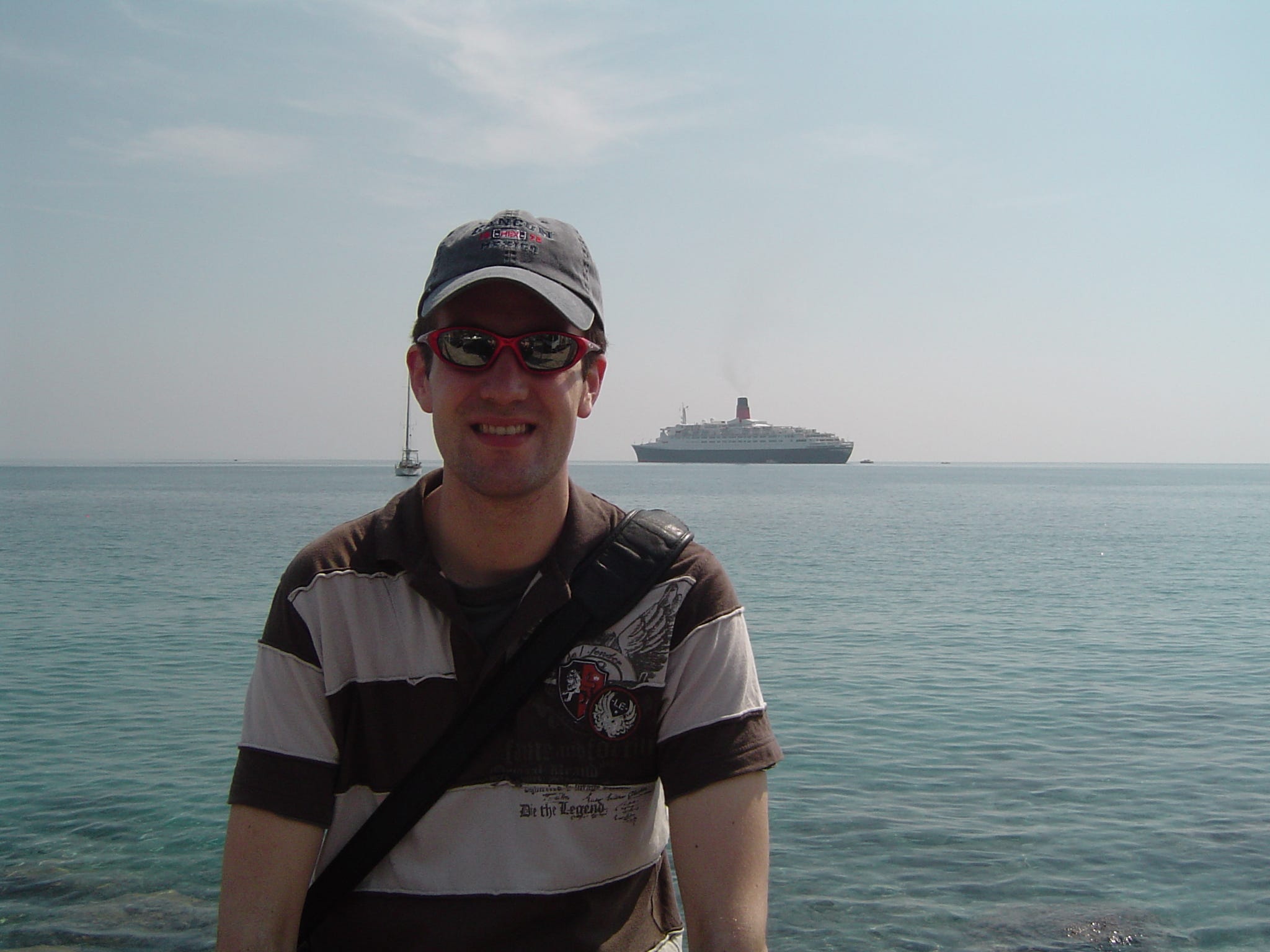
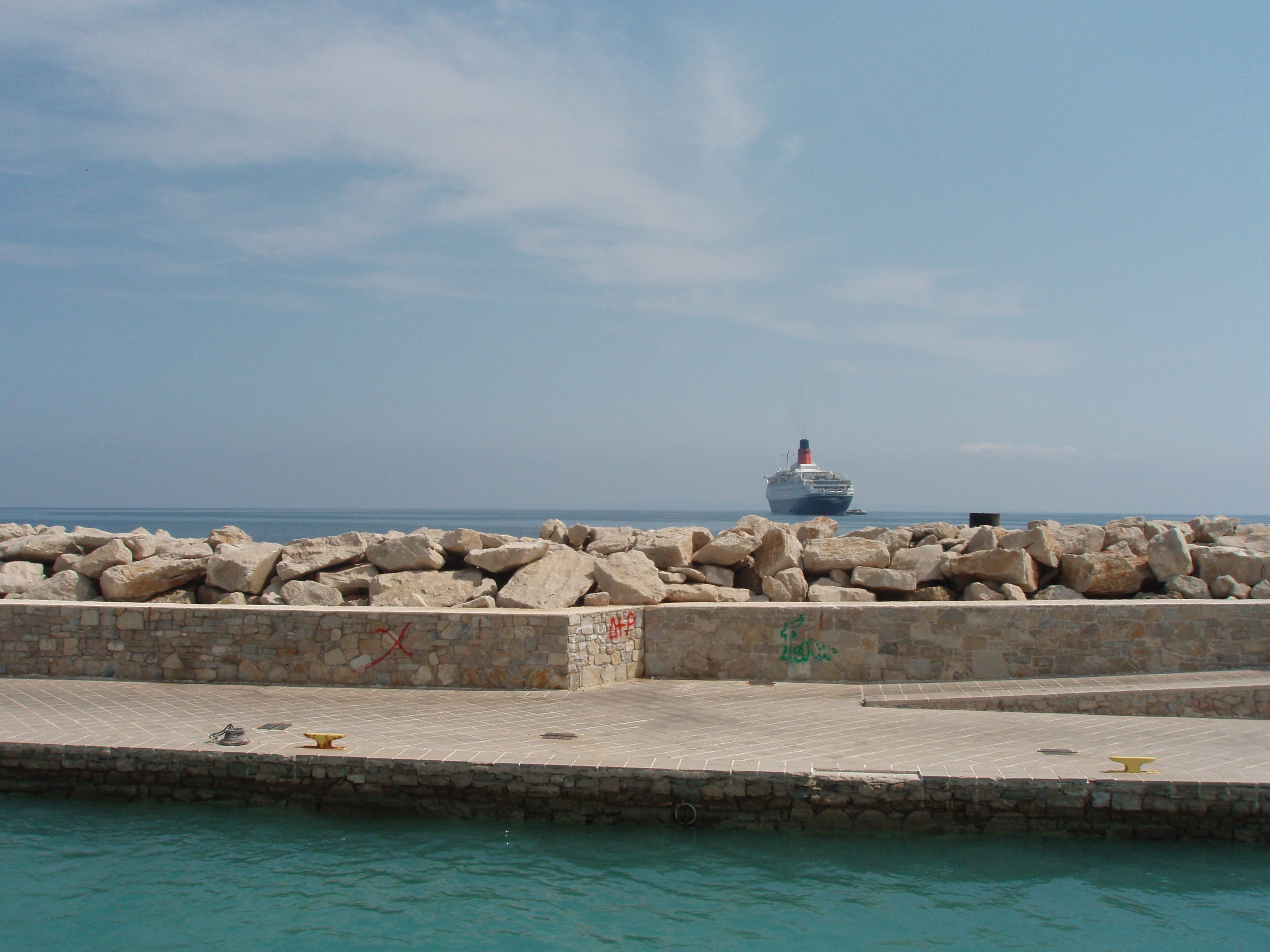
On the return trip, we got one of the Harding Tenders. Both Rachelle and I made an immediate beeline for the top deck, to take in the fresh air and get some more photos of QE2.


Once back aboard, we had some afternoon tea in the Queens Room, which was served regardless of whether the ship was in port or at sea. For the Zakynthos departure, we found a spot on the aft decks and I recall we spoke with many other passengers, some of whom thanked me for the lecture a few days earlier.
Tomorrow would be another port day, this time in Palermo. However, it was not a full port day. QE2 was a very fast ship, and the itineraries offered sometimes included 1/2 days in smaller ports. This could be achieved as QE2 could zip from port to port easier than a slower cruise ship.
So tomorrow morning would be ‘at sea’ and at 10am, I’d be presenting my second talk: The New QE2, followed by a book signing as the ship sailed into port. I went to bed that night, hoping that we’d get another full house.
Another great day in September 2008 brought to life by your photos and evocative writing, thank you Chris.
Looking forward to September 4th 2008:)