
The Difference Between Transatlantic Crossings and Repositioning Cruises
Are all transatlantic crossings created equal?

In March, the Norwegian Cruise Line is sending Norwegian Luna on a transatlantic repositioning, which got me thinking: what is the difference between the transatlantic crossings of old, and these modern-day repositioning cruises?
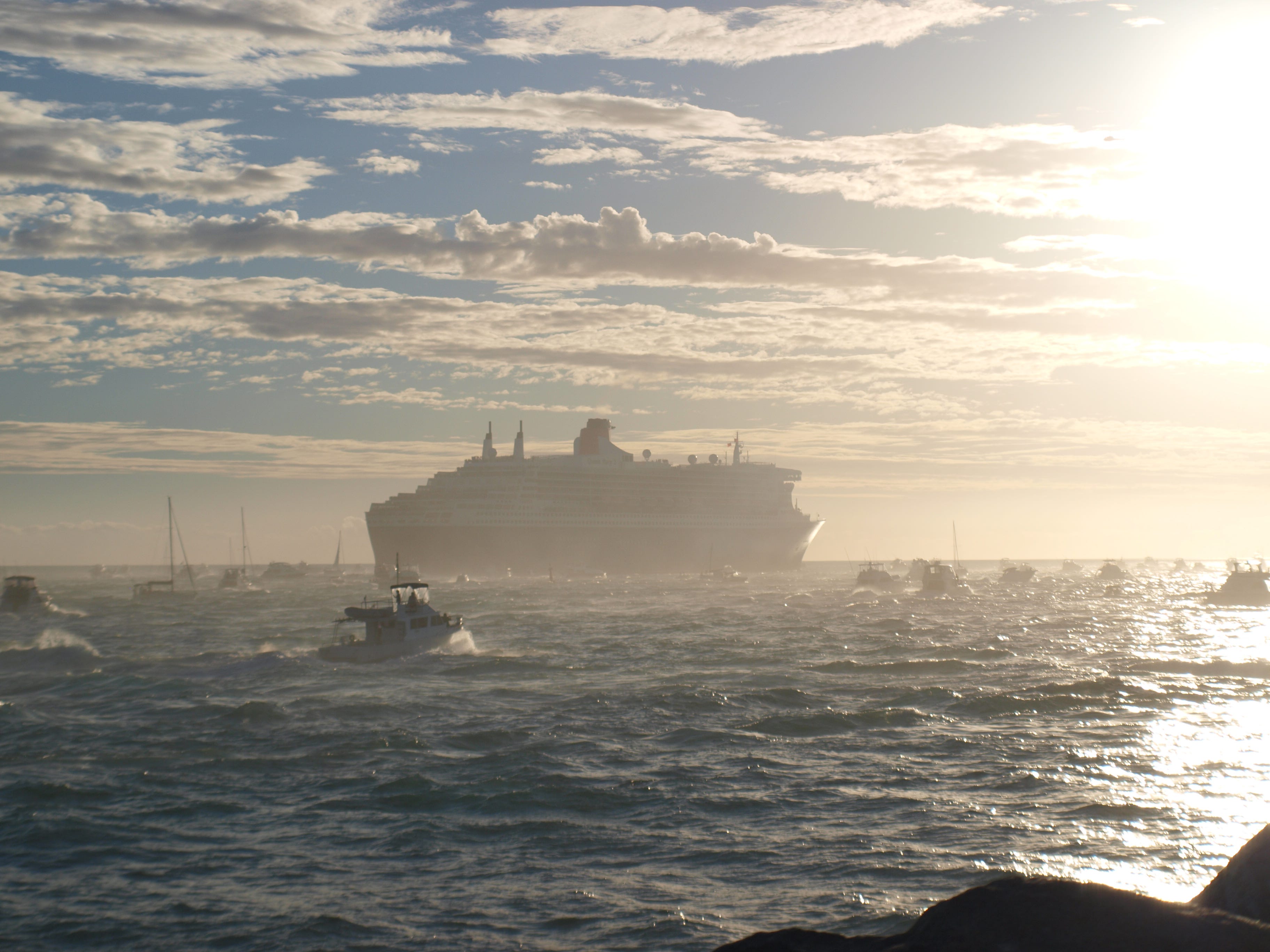
Traditional Crossing
Transatlantic crossings, in the traditional sense, are point-to-point voyages across the North Atlantic Ocean, linking Europe with America.
These voyages were undertaken by ocean liners for over a century, as part of the great movement of people from Europe to America. They also allowed the liners to transport goods across the world in the era before containerisation.
Because these were direct voyages, the ships were designed to undertake the trip regardless of the weather.
The North Atlantic can be dangerous, particularly in bad weather conditions. This was tragically illustrated in 1966 when the ocean liner Michelangelo was hit by a mammoth wave that caused significant damage to the bow of the ship.
The ship’s forward superstructure was made of aluminium. When a rogue wave hit, it pushed in the superstructure, and broke those forward plates, tragically killing two passengers and a crew member.
This damage was sustained by an ocean liner actually designed for those conditions. But it was not enough. The ship was later retrofitted with steel plating to stop that from happening again.
Modern Repositioning Cruises
A transatlantic repositioning cruise is quite different to a crossing. Cruise ships are designed with pleasure voyages in mind. As such, modern-day cruise ships will often do ‘cruise’ voyages across the Atlantic, when they reposition from popular cruise locations near America (such as the Caribbean) to those in Europe, or vice versa.
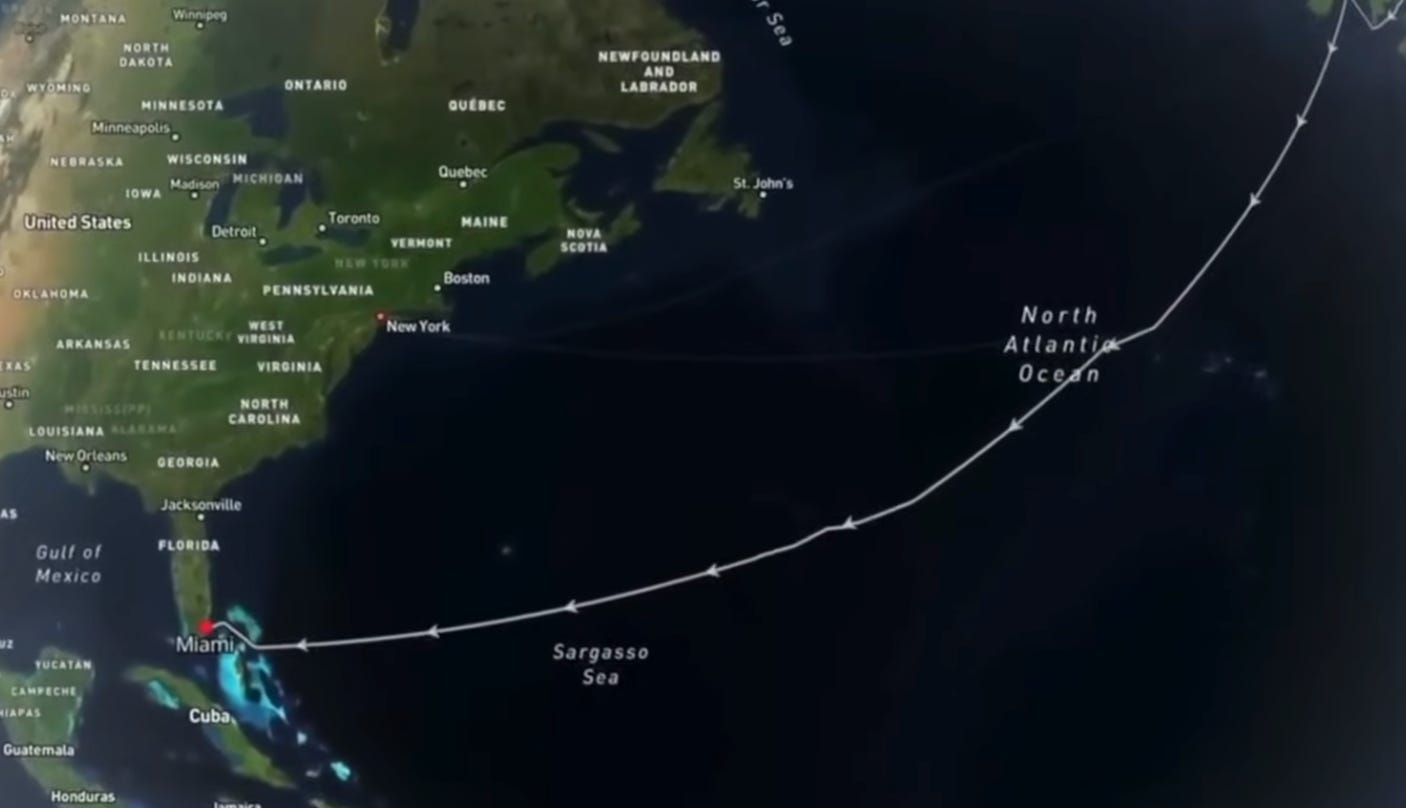
We also see this type of transatlantic transit, when a new ship has been built in European shipyards. The European Fincantieri, Meyer Werft, Kværner, and Chantiers de l’Atlantique are among the world’s leading cruise ship builders. Cruise ships made here, often must make their way to America for their inaugural cruise seasons.
But as they are designed to cruise, they take a more southern route than the liners, to an area of the Atlantic where the weather is generally more favourable. And they can often call at stops along the way.
Design and Performance
An ocean liner is designed to undertake those transatlantic crossings in the quickest, most efficient way possible. Today, the Queen Mary 2 is the only ship designed for this.
QM2 features a reinforced hull with plating much thicker than you find on cruise ships, allowing her to take a beating from the North Atlantic in both summer and winter.
She also has a very high freeboard and a higher maximum speed, meaning she can make up lost time, if she has to slow down for bad weather.
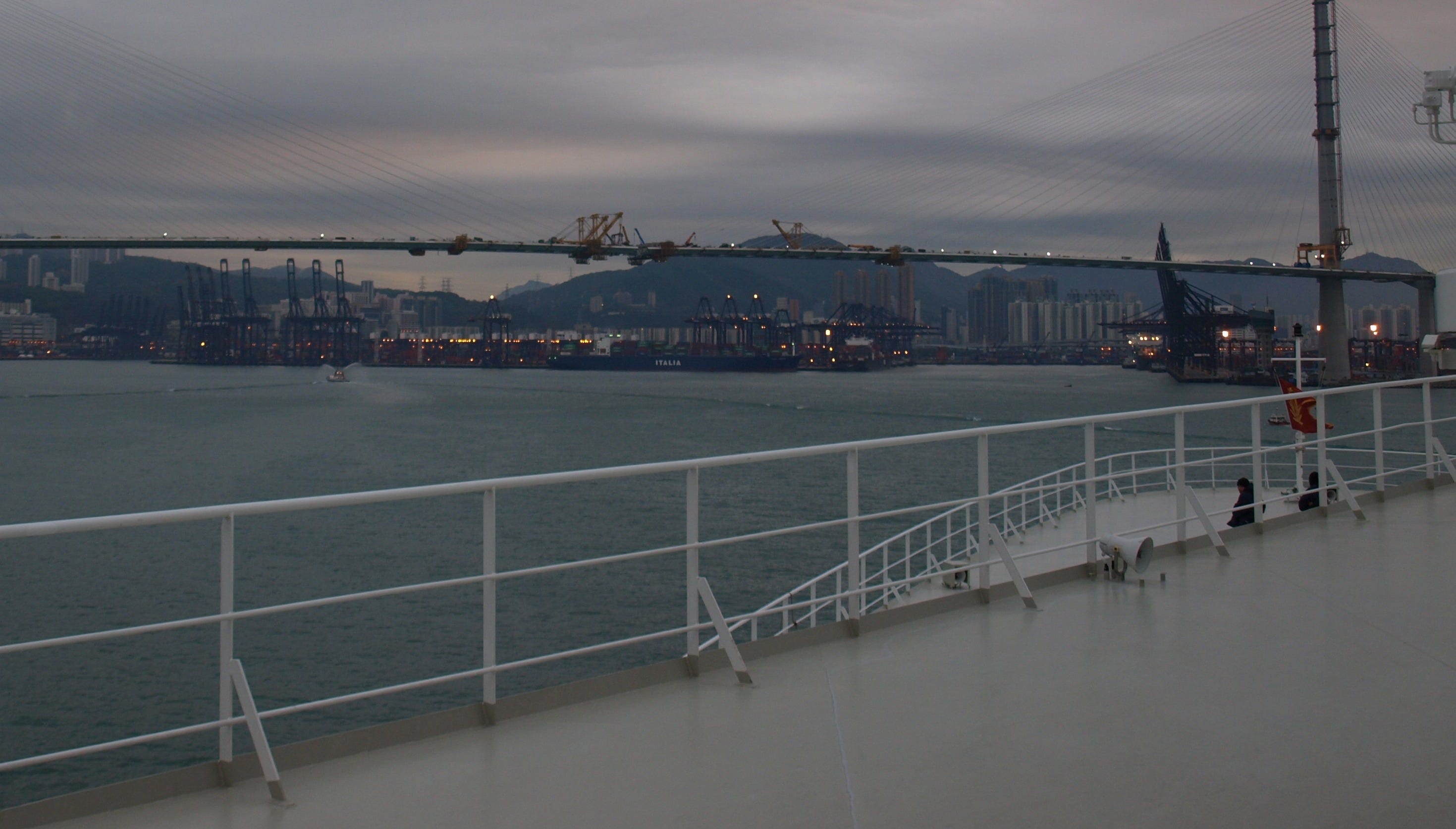
While Cunard’s cruise ships like Queen Victoria or Queen Anne have made these crossings, they can struggle. In a January 2025 crossing, Queen Anne arrived a day late due to heavy swells, while Queen Mary 2, sailing further north in worse conditions, arrived at her destination on time.
Today, while cruise ships often take a southerly route via places like Madeira or the Canaries for more favourable weather, only Queen Mary 2 continues the legacy of the regular, direct point-to-point crossing.
From a crew perspective, repositioning cruises can look a little different behind the scenes.
More sea days often mean longer workdays for crew, along with preparation for FDA inspections (or the local equivalent, depending on where the ship is heading).
These sailings are also commonly used for maintenance projects, with contractors onboard handling work scheduled between dry dock periods.
It is simply another side of the same voyage from below the water line ⚓🩷⚓.
Built for purpose - the liner.
QM2 is my favorite ship today